Mailing postcards is a simple yet impactful way to communicate a message, especially when it comes to sharing important causes such as marine conservation. In Canada, where the coastline and marine biodiversity are vital to both local economies and ecosystems, sending postcards is not only a form of outreach but also a way to connect individuals, organizations, and communities dedicated to preserving our oceans and marine life. For those in the lobster science and marine conservation sectors, postcards serve as a tool to engage the public, raise awareness, and promote education about the importance of protecting aquatic ecosystems.
This article delves into how you can harness the power of postcards to spread the message of marine conservation, focusing on the key elements involved in sending out impactful postcards.
1. The Power of Postcards in Conservation Communication
Postcards are a unique form of communication. In the digital age, physical mail still carries a personal touch that digital messages can sometimes lack. For marine conservation groups and lobster science advocates in Canada, postcards present an opportunity to engage recipients in a tangible and memorable way. Whether you’re sending out postcards to potential supporters, donors, or communities affected by marine issues, this form of communication can make a lasting impact.
Because postcards are often small and visually striking, they are ideal for conveying succinct messages or promoting specific calls to action. By incorporating captivating visuals—such as images of lobster species, marine habitats, or the team behind conservation efforts—postcards can draw attention and encourage recipients to take part in marine conservation efforts.
2. Crafting an Effective Postcard Design
The success of a postcard lies in its design. A postcard should catch the recipient’s attention immediately, and for a cause like marine conservation, this can be achieved by:
- Vivid Imagery: Using beautiful, high-quality photos of marine life—such as lobsters, coral reefs, or oceanic ecosystems—can evoke emotion and drive interest in conservation efforts. Postcards with stunning visuals tend to stay with recipients longer and often inspire further action.
- Clear, Compelling Messaging: A postcard isn’t the place for lengthy paragraphs. Instead, focus on a short and clear message that explains the purpose of the postcard. Whether it’s raising awareness about the dangers of overfishing or highlighting a community clean-up event, the message should be concise yet impactful.
- Call to Action (CTA): Every postcard should encourage the recipient to take action. Whether it’s visiting a website, donating to a marine cause, or attending a local event, your postcard should guide the recipient toward the next step in supporting marine conservation.
3. Targeting the Right Audience
One of the key aspects of a successful postcard campaign is making sure that the right people receive your message. For marine conservation efforts in Canada, you’ll want to focus on individuals, organizations, and communities who are already engaged with or interested in marine life, sustainable fisheries, and environmental preservation.
- Public Awareness Campaigns: If you are aiming to raise awareness about local marine conservation initiatives, consider sending postcards to a broad audience, including local residents, environmental enthusiasts, schools, and local businesses that may be interested in supporting conservation efforts.
- Donor and Volunteer Engagement: Postcards can also be an effective tool for engaging current supporters or attracting new ones. Reach out to existing donors and volunteers with updates on your progress, thank them for their contributions, and encourage them to continue their support through donations, spreading the word, or volunteering at upcoming events.
4. Choosing the Right Mailing Process
Once you’ve designed your postcards and chosen your target audience, the next step is making sure they get to the right people. Mailing postcards in Canada involves a few simple steps to ensure the process runs smoothly:
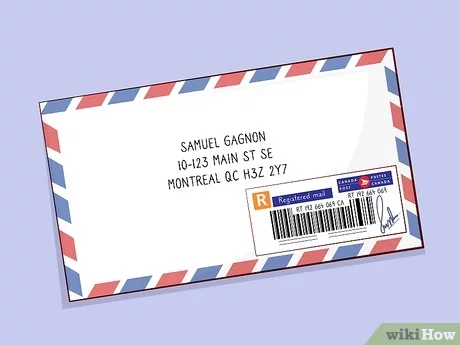
- Addressing Your Postcards: Properly address your postcards to avoid delivery issues. Make sure to include the recipient’s name, street address, city, province, and postal code. For businesses or larger outreach campaigns, consider using an address verification API to ensure all addresses are accurate and up to date.
- Postage Rates: In Canada, postcards generally require a specific postage rate, which is often lower than regular letters. Be sure to check the Canada Post website or visit a local postal office for the most up-to-date postage rates. If you’re sending a high volume of postcards, consider bulk mailing options to reduce costs.
- Timing: Plan ahead for the timing of your postcard campaign. If you’re promoting an event, awareness week, or conservation initiative, make sure to send the postcards with plenty of time for your audience to act. You don’t want your message to arrive too late to make an impact.
5. Tracking the Success of Your Postcard Campaign
One of the challenges of traditional mail campaigns is tracking their effectiveness. With postcards, this can be tricky since they typically don’t come with tracking numbers or immediate feedback. However, there are a few ways to assess the impact:
- Engagement Metrics: Keep track of how many people visit your website or sign up for your cause following the distribution of postcards. You can include a special discount code, URL, or unique phone number on the postcard to monitor engagement.
- Feedback from Recipients: Encouraging recipients to provide feedback via a survey or social media interaction can also help gauge how well your postcards are resonating with the audience. In some cases, you may even want to follow up with recipients via email or phone to further discuss the message you’ve sent.
Conclusion
Postcards are a powerful yet often overlooked tool in marine conservation outreach, especially for those advocating for lobster science and the protection of our aquatic ecosystems. In Canada, where marine life is crucial to local communities and economies, postcards offer a personal, effective way to engage others in your conservation efforts. By choosing the right design, message, and mailing strategy, you can increase awareness, attract new supporters, and ultimately foster a greater sense of community involvement in marine conservation.
At LobsterScience.ca, we believe in the power of postcards to connect people to the beauty and importance of our oceans. By sending out thoughtful, well-designed postcards, we can work together to ensure that marine life thrives for generations to come.