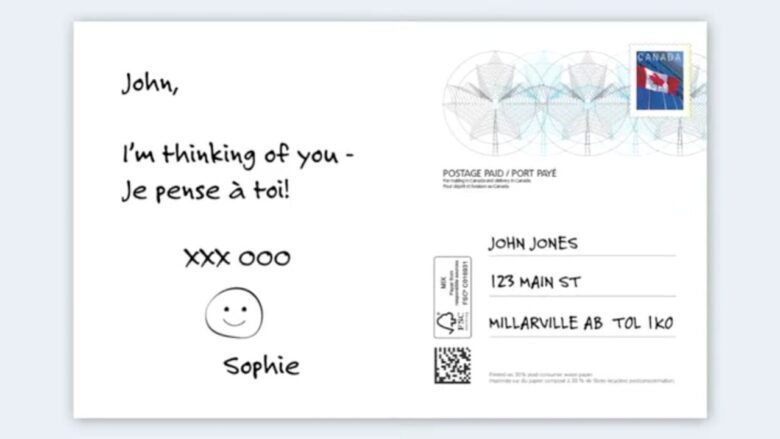
Sending postcards is a simple yet meaningful way to share information, memories, or even promote a cause. For those passionate about marine life and lobster science in Canada, postcards can serve as an effective medium to spread awareness about marine conservation, share updates on research, or even engage with others in the community. Whether you’re promoting an event, a new research project, or simply connecting with fellow enthusiasts, knowing how to properly mail a postcard ensures that your message reaches its destination efficiently.
In this guide, we’ll walk through the steps involved in mailing a postcard in Canada, highlighting key points that will ensure your communication is both professional and effective.
1. Choosing the Right Postcard Design
Before you even begin thinking about mailing your postcard, you first need to consider its design. For those involved in marine conservation or lobster science, your postcard design should reflect the theme of your cause. Consider incorporating images of marine life, marine ecosystems, or educational content that can spark interest among recipients. You may also want to use an engaging headline that captures attention and informs the recipient of the purpose of your message.
It’s essential to balance aesthetics with functionality. Keep your message brief yet clear, as postcards offer limited space for text.
2. Preparing the Postcard Content
Once you have your design ready, it’s time to work on the content. A postcard typically includes:
- A compelling message: Whether you’re promoting a new project, sharing an update, or encouraging support for lobster science initiatives, ensure your message is concise but informative.
- A call to action (CTA): Ask your recipients to engage with your cause. This could be anything from signing up for a newsletter, visiting a website for more information, or making a donation.
- Contact information: Include all relevant contact details so recipients can easily get in touch, whether it’s via email, phone, or through your website.
3. Addressing the Postcard
Proper addressing is crucial for ensuring that your postcard reaches the intended recipient. Here’s how to correctly address a postcard in Canada:
- Recipient’s Name: Start with the recipient’s full name. If it’s a business, use the company’s name.
- Street Address: This should be the number, street name, and any apartment or unit number if applicable.
- City, Province, and Postal Code: Make sure to include the correct city, province, and postal code. This is where an address verification tool could come in handy to confirm that the address you’re sending to is accurate.
- Return Address: Including your return address ensures that your postcard can be returned to you if undelivered. This should go in the top-left corner on the back of the postcard.
4. Applying Postage
For mailing postcards in Canada, you’ll need to apply the correct postage. The cost of mailing a postcard is usually lower than mailing a letter, but rates can vary depending on the size and weight of the postcard.
- Standard Postage: For regular-sized postcards, check the current postage rate on the Canada Post website. Typically, a postcard of standard size will require one “domestic” postage stamp for delivery within Canada.
- International Postage: If you’re mailing a postcard outside of Canada, make sure to check the international rates for postcards to avoid over- or under-posting. Canada Post provides information on rates based on destination.
5. Mailing the Postcard
Once your postcard is addressed and stamped, it’s time to drop it off. You have a few options when it comes to mailing:
- Post Boxes: You can drop off your postcards at Canada Post’s public mailboxes. These are located throughout most communities in Canada and are convenient for quick mailing.
- Canada Post Office: For added convenience or if you have a bulk order of postcards, you can visit your local Canada Post branch. Here, you can ensure that the correct postage is applied, and ask for assistance if needed.
- Mailing Services: If you’re sending postcards in bulk, some mailing services, such as direct mail companies, offer specialized bulk mailing solutions. These can be ideal for large-scale outreach or marketing campaigns, as they can handle the logistics for you.
6. Tracking and Confirmation (Optional)
While postcards generally don’t offer tracking services, if you’re mailing important postcards, such as those related to an event or research, you may want to explore options like registered mail or express services. These options allow for tracking and confirmation that the postcard was delivered.
7. Handling Postcard Returns
If your postcards are returned due to address issues, ensure that you address the error promptly. It could be due to incorrect address details or an outdated contact list. Make use of address verification tools to ensure you have the most accurate addresses before sending future mailings.
Conclusion
Mailing postcards is an excellent way for Canadian marine enthusiasts to spread awareness about lobster science, marine conservation, and more. With the right design, address details, and postage, you can ensure that your postcards reach their intended recipients and effectively communicate your message. Whether you’re engaging with supporters, informing your community, or promoting an event, postcards can help reinforce your commitment to the marine world.
At LobsterScience.ca, we believe in promoting the wonders of marine life, and mailing postcards is one small way to make a big impact.